X-Ray Baggage Scanners for Atlanta Businesses: What to Know Before Choosing a System

What X-Ray Baggage Scanners Do and Why They Matter for Atlanta Facilities

In Atlanta, GA — a city with a large commercial footprint, frequent events, transportation hubs, and diverse business environments — security requirements go well beyond simple door locks. Some facilities face elevated risk profiles due to visitor volume, sensitive assets, or public access. In these environments, X-ray baggage scanners play a central role in commercial security screening.

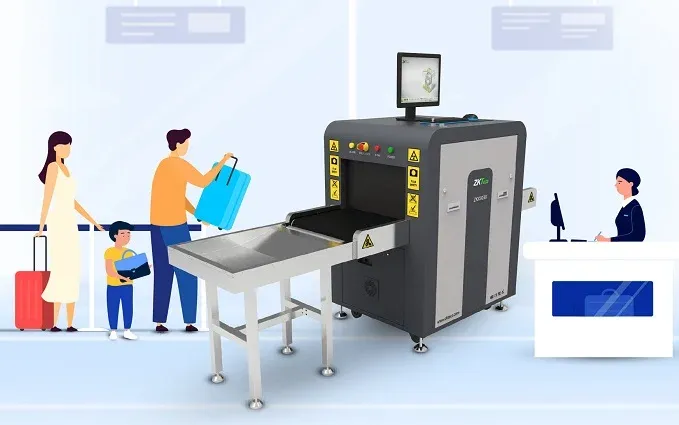
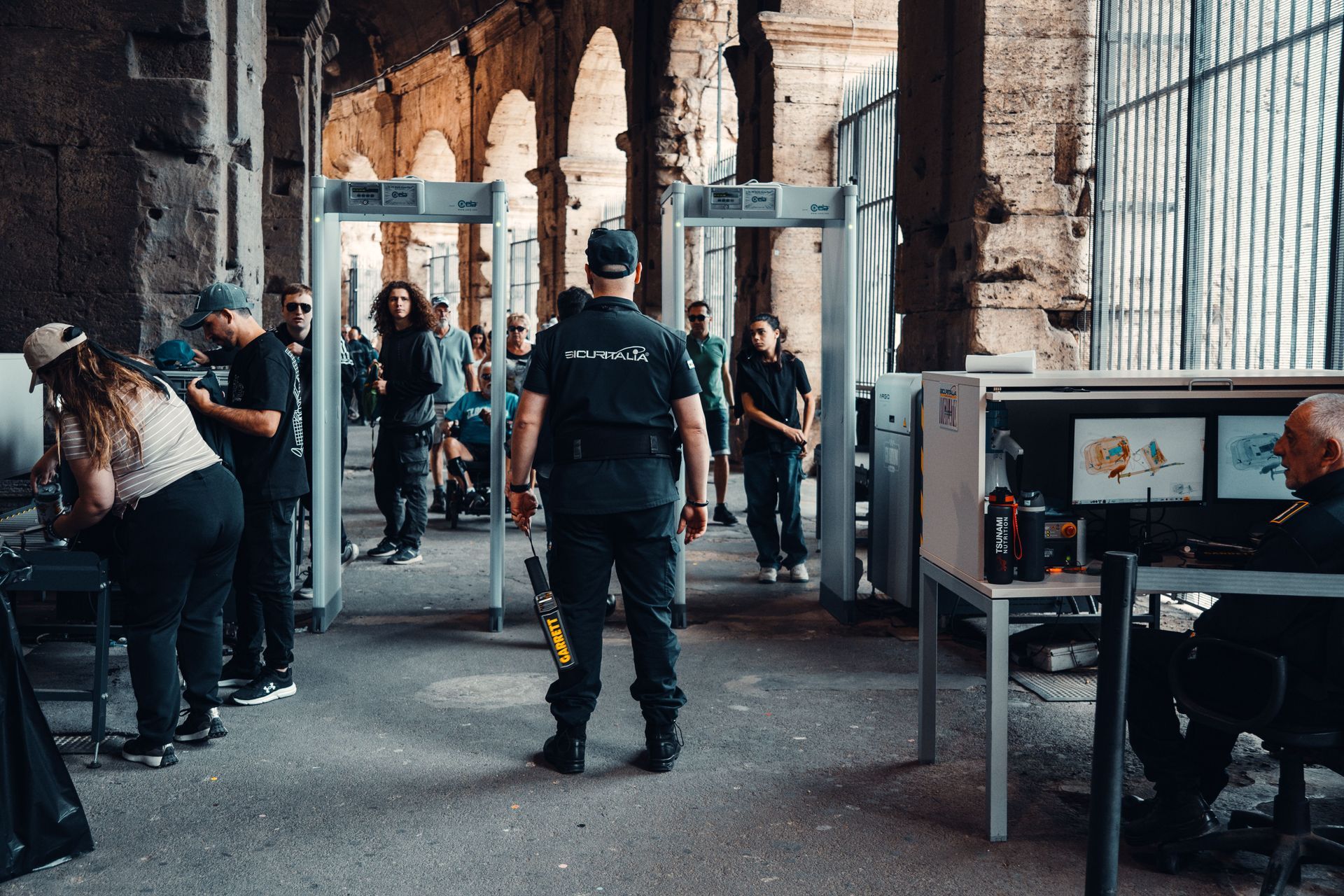
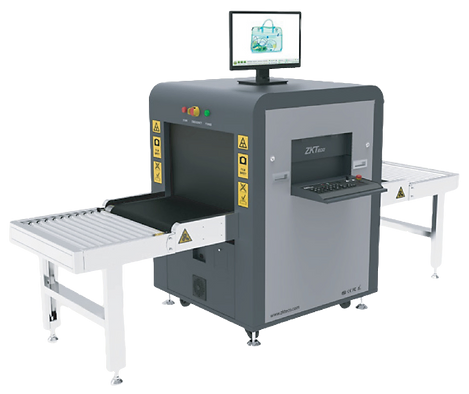
X-ray baggage scanners are technology systems designed to inspect bags, parcels, packages, and personal belongings without requiring physical searches. These systems create detailed internal images of scanned items, allowing trained operators to identify prohibited objects, potential threats, or irregular contents before they enter a facility or event space. While airports are the most visible environments using this technology, many Atlanta businesses now deploy X-ray systems for day-to-day security as well.

Well-implemented X-ray baggage scanners serve two primary purposes:

  • Threat detection: Identify concealed weapons, sharp objects, explosives, or hazardous materials before entry
  • Operational screening: Enable secure, non-intrusive inspection of belongings during daily access or special events

Because Atlanta is home to conference centers, corporate campuses, museums, entertainment venues, government buildings, and educational institutions, the ability to screen bags efficiently without disrupting flow is increasingly important.

Unlike handheld wands or manual searches, X-ray scanners reduce the need for intrusive searches while providing a clearer, more reliable view inside luggage. This accuracy helps security teams distinguish between harmless items and potential concerns, improving safety without slowing daily operations.

How X-Ray Baggage Scanners Work and What Makes Them Effective

At the core of every X-ray baggage scanner is an imaging system that uses high-frequency X-radiation to penetrate bags and create an image based on how materials absorb or deflect energy. Denser objects, such as metal or certain plastics, appear differently than organic materials, allowing trained operators to visually differentiate items on a screen.

Most commercial X-ray baggage systems provide several key features that make them reliable security tools:

  • Dual-energy imaging: Allows operators to distinguish between organic, non-organic, and metallic objects
  • High-resolution display: Provides clear visuals that enhance detection accuracy
  • Automatic threat highlighting: Some systems use software indicators to flag potential risks
  • Conveyor belt design: Enables continuous, efficient flow of bags through the scanner
  • Operator training support: Advanced interfaces assist security personnel in rapid interpretation

These systems aren’t simply “big X-ray machines.” They are engineered tools calibrated for security contexts where accuracy, speed, and consistency matter. When a bag enters the scanning tunnel, multiple sensors collect data that get translated into an image. Operators then view that image on a dedicated monitor, interpreting shapes, densities, and object signatures to assess if further inspection is needed.

The speed of scanning varies by model, but many commercial-grade X-ray baggage scanners can process dozens of bags per minute, making them suitable for environments with steady foot traffic. Unlike manual inspection, which can create bottlenecks and inconsistencies, mechanical scanning systems provide predictable throughput and objective image data.

For Atlanta businesses that need to balance security with operational efficiency, scanner performance characteristics—such as conveyor width, image refresh rate, and threat detection software—are key factors in choosing the right system.

Choosing the Right X-Ray Baggage Scanner for Your Atlanta Location

Selecting an X-ray baggage scanner begins with understanding your facility’s specific security needs, traffic volume, and operational goals. Not all scanners are identical; differences in size, imaging quality, software capabilities, and integration options can make a substantial difference in daily performance.

Here are important factors to consider when evaluating baggage scanners:

  • Throughput capacity: How many bags per minute the system can process without causing lines or slowing entry
  • Imaging resolution: Higher resolution delivers clearer images, improving threat identification accuracy
  • Software features: Some models support threat highlighting, pattern recognition, and automated alerts
  • Physical footprint: Matching scanner size to available space in lobbies or checkpoints
  • Interoperability: Ability to integrate with existing access control, turnstiles, or security operations platforms

In Atlanta’s commercial environment, scanner selection often depends on how the system will be used. Some facilities require baggage scanners at main public entry points, while others use them for secondary checkpoints such as visitor entrances or secured zones. For high-traffic venues like conference centers, arenas, or transit hubs, models with higher throughput and advanced imaging capabilities are preferred.

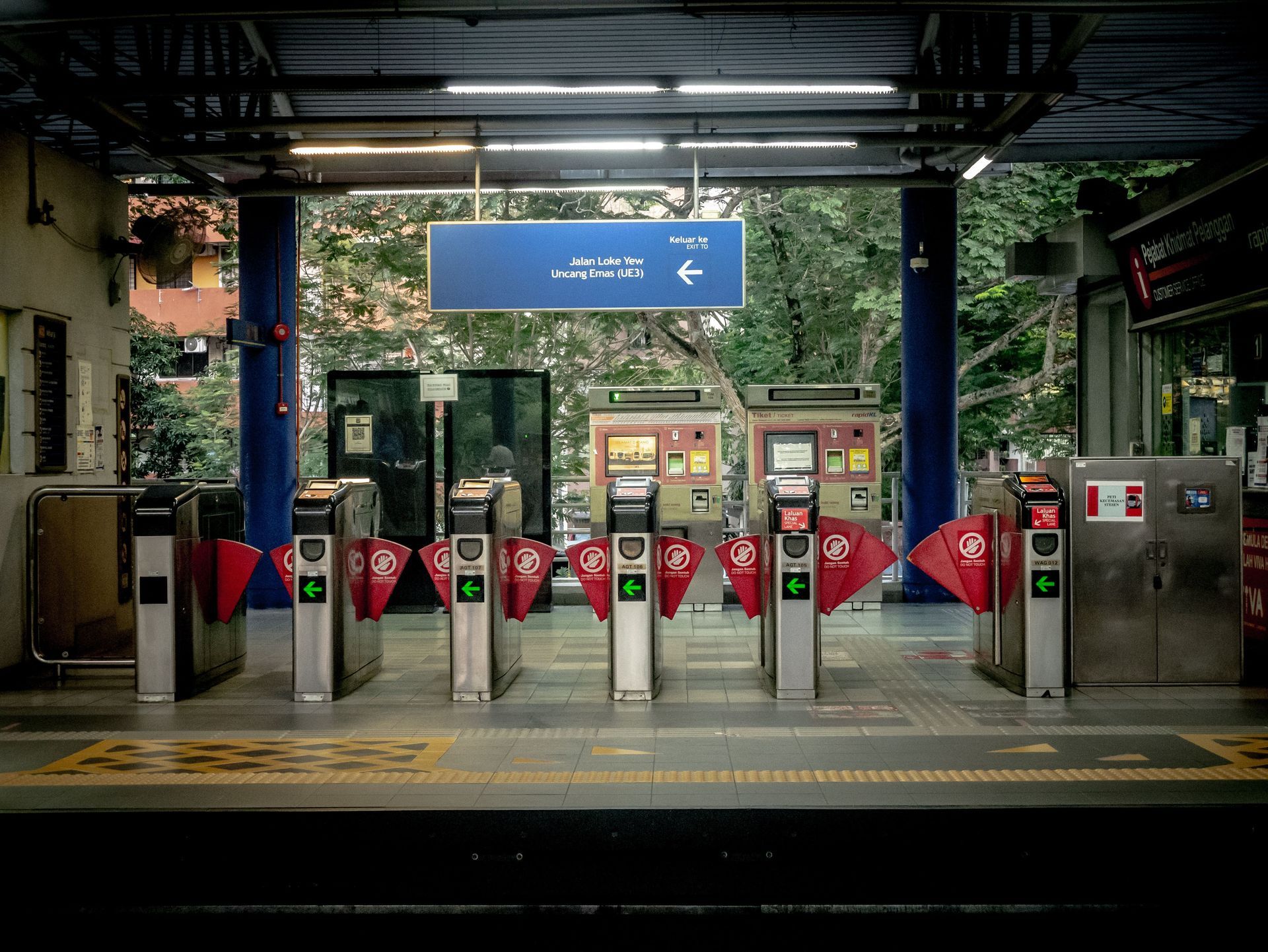
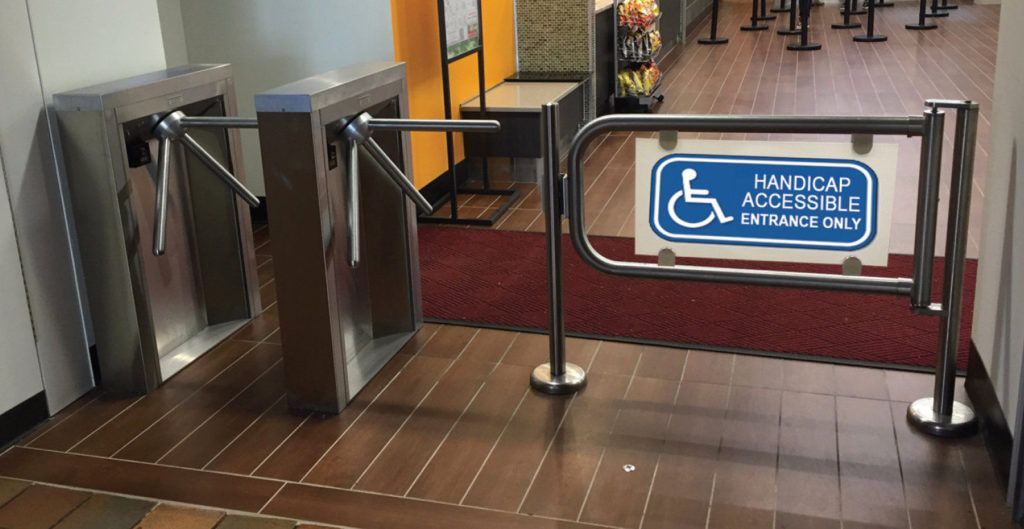
Integration is another critical factor. Many businesses opt to connect their X-ray baggage scanners to access control systems and turnstile hardware so that only cleared individuals proceed past a secondary barrier after inspection. This layered security approach improves both safety and accountability without slowing down movement more than necessary.

Ongoing operator training, calibration, and maintenance are also key considerations. Even the most advanced system depends on skilled operators who can interpret images correctly and decide when a secondary manual search is appropriate. Proper support and calibration ensure image quality remains consistent over time.

Atlanta companies that need secure entry screening also value scalability. A system that performs well at a small corporate office may need upgrades or additional features for larger facilities or satellite locations outside the metro Atlanta area. Choosing a platform that supports growth without complete replacement can provide both security and long-term cost efficiency.

Ultimately, the right X-ray baggage scanner helps facilities balance three critical priorities in the Atlanta market: clear threat detection, operational efficiency, and a welcoming environment for employees and visitors alike. With the correct equipment and well-trained personnel, businesses can create secure access processes that support daily operations while maintaining peace of mind.

Share this article

Recent Projects

By Mark Lehman December 11, 2025
Security turnstiles in a building entrance. A man stands behind a counter.
By Admin October 26, 2025
This is just the start of a major project for the Navy in Washington, DC. We’re thrilled to be partnering with the US government to enhance security for the
Four silver security turnstiles installed in a building entrance. A sign and seating are visible in the background.
By Admin October 26, 2025
We are thrilled with how stunning these modern turnstiles turned out. The project presented a unique challenge due to uneven floors and tight spacing, but the
Black metal turnstile in an outdoor setting.
By Admin October 26, 2025
We were excited to partner with the CAT Team on the installation of this traditional full-height turnstile! It was a great collaboration, and we’re pleased
Airport entrance with a sign, planes, cars, and a building on a sunny day.
By Admin October 26, 2025
This might be one of our favorite installs to date! It was incredible to watch the planes come in and take off as we worked to secure the tarmac. We installed
Sign for Shepherd Center Arthur M. Blank Family Residences, with a blue and gold logo, in front of a modern building.
By Admin October 26, 2025
We’re truly honored to play even a small role in this project. For those who may not know, the new Shepard Center in Atlanta is similar to the Ronald McDonald
An aerial view of a brown industrial building complex at dusk with parking and landscaping.
By Admin October 26, 2025
One of Hollywood’s biggest names! We were thrilled to collaborate closely with the team at Tyler Perry Studios on this project.